
News & Insights
What STAT Summit 2026 made clear: Science needs systems and trust to reach patients
Published:
Last Edit:
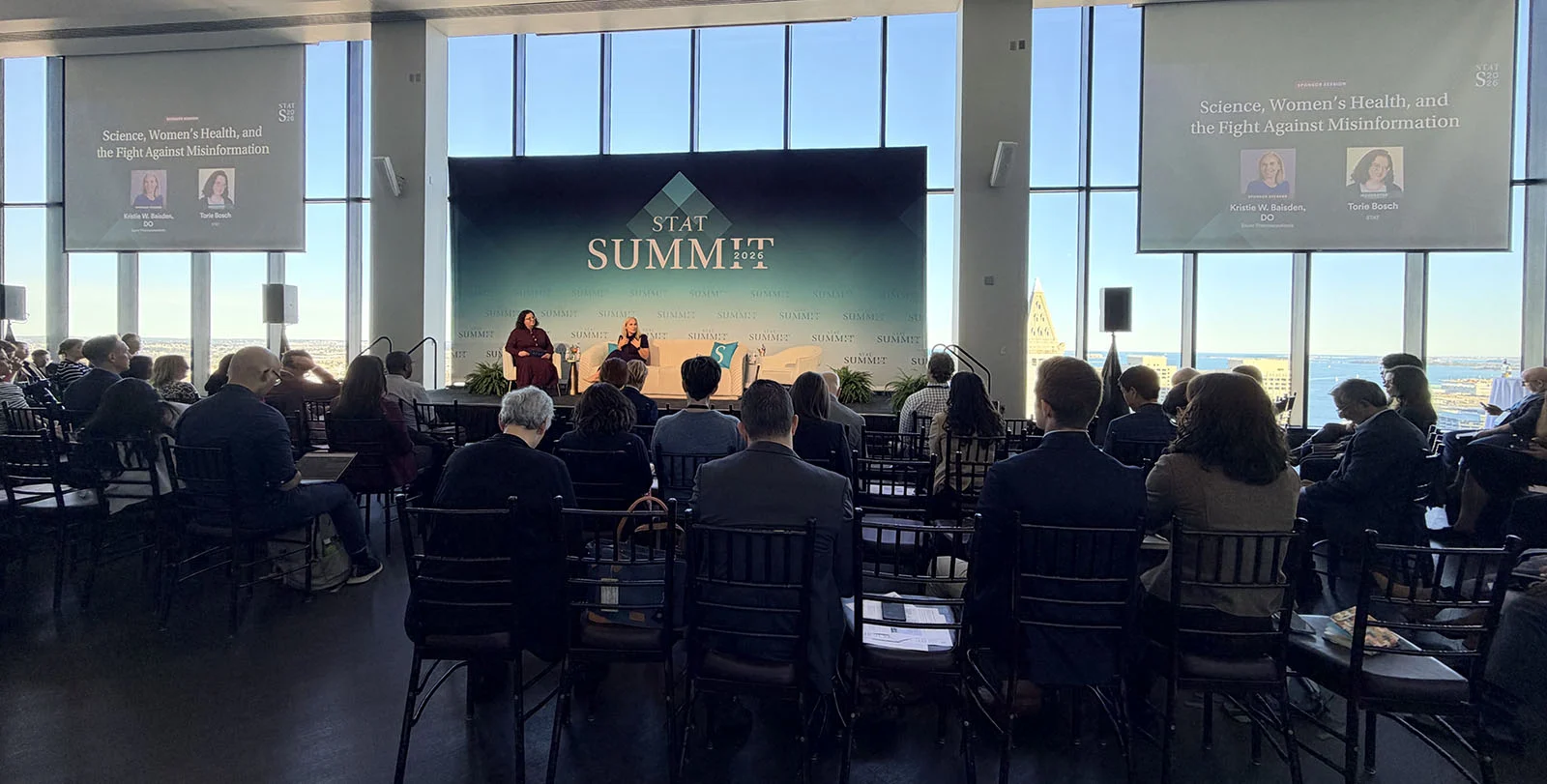
At STAT Summit 2026, the question wasn’t only what science can do next. It was whether the systems around science, from research and clinical trials to regulation, care delivery and communication, can keep pace. And ultimately, progress is defined not only by what is scientifically possible, but by the value it delivers to patients.
Across two days of conversations, speakers explored cancer, vaccines, biotech competition, clinical-trial capacity and emerging technologies such as AI. One message ran through the program: progress depends not just on discovery, but on whether innovations are supported by evidence, trusted by the public and accessible to the people who need them.
Corporate executives are recalibrating their approach to environmental, social, and governance (ESG) initiatives, with about half saying they’re moving away from symbolic gestures toward measurable business impact, according to new a new research study “Pulse on the Modern CEO Agenda” from Weber Advisory.
Here are a few of the themes that stood out:
- Innovation needs infrastructure. Research funding, skilled talent and a clinical-trial system equipped to test new ideas are essential to progress. Summit conversations raised concerns about the research pipeline and trial capacity, including the need for more clinicians and participants, better use of information science and stronger domestic capabilities.
- Trust takes more than information. Discussions about COVID-19 and mRNA vaccines highlighted the importance of explaining how decisions are made, communicating uncertainty in accessible language and listening before concerns become entrenched. Effective communication anticipates questions and responds to people’s lived experiences, not just the facts institutions want to share.
- New technologies need evidence and implementation plans. From AI in research workflows to organoids, diagnostics and emerging medicines, the potential is significant, but so are the questions about safety, durability, meaningful endpoints and real-world impact. Technology can support progress, but it cannot substitute for sound evidence or human judgment.
What this means for healthcare communicators
STAT Summit’s discussions point to a role for communicators that goes beyond explaining new science. We can help organizations listen to the people affected, make uncertainty understandable and connect innovation to the practical questions of access, evidence and care.
That means engaging early, anticipating concerns and working across teams to ensure communication reflects both the science and the experience of patients and communities. It also means being clear about what is known, what remains uncertain and what needs to happen next.
The future of healthcare will depend not only on what science makes possible, but on whether the systems around it can earn trust and deliver meaningful progress to patients.